gr7

gr7

Tuesday, 31 March 2015

Mar 31

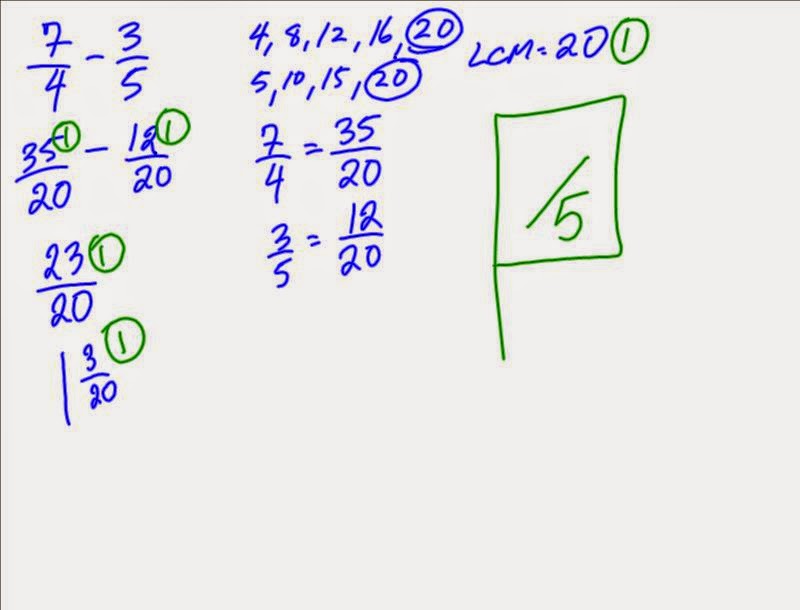
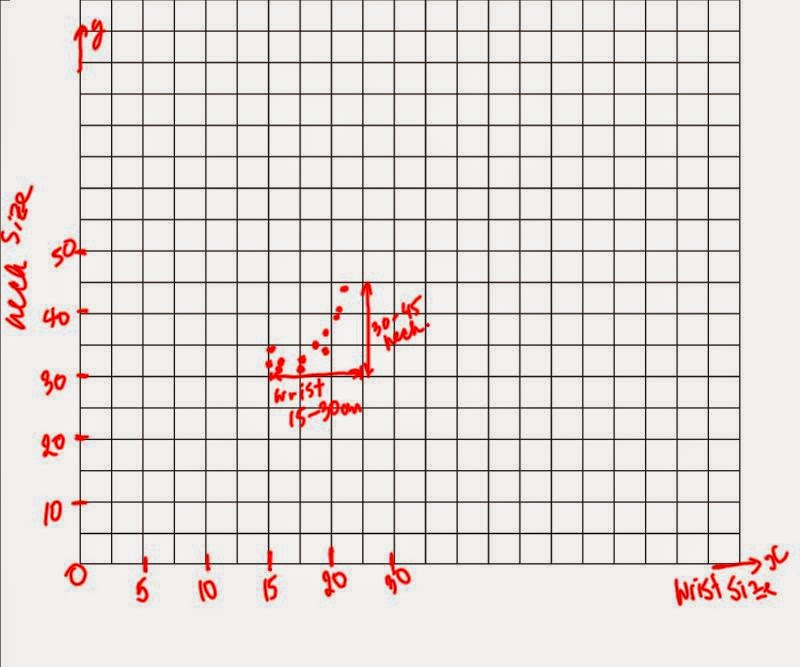
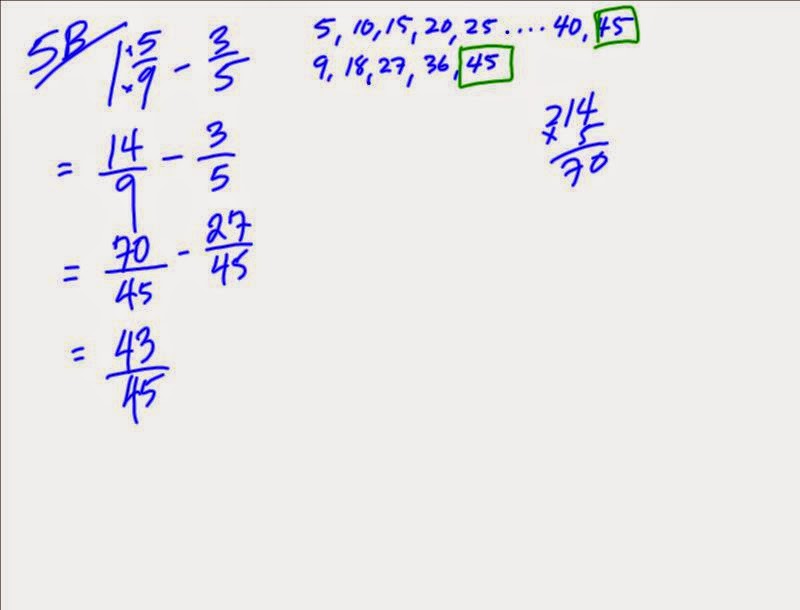
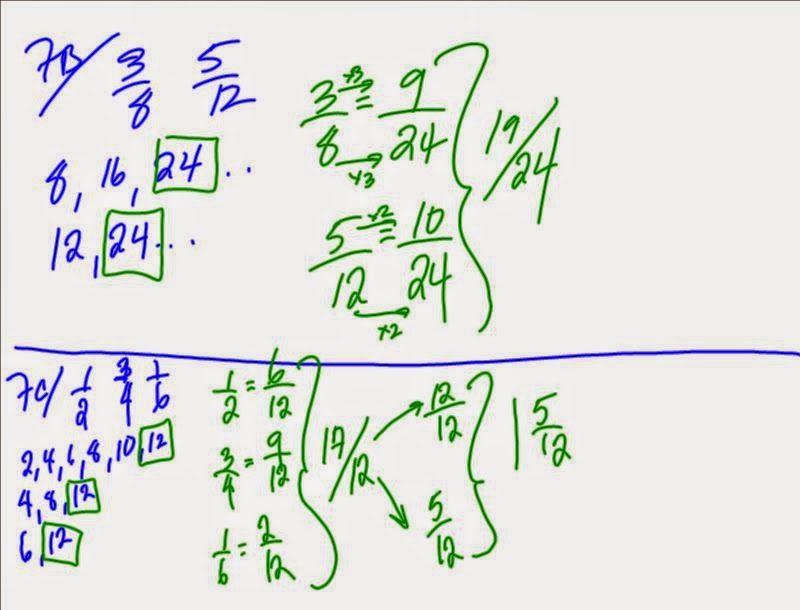
Principles of Math continued: fractions, integers, data management corrections below:


Friday, 13 March 2015

Mar13

Over March Break, continue working little by little on the following:

  • book talk
  • history prezi
  • math package

Monday, 9 March 2015

Mar9


Bud, not Buddy Reading Response

Prompts

      Bud, the protagonist, is a relentless character.  With great perseverance along with his self-developed “life rules”, Bud hits the road to track down and reconnect with his long-lost biological father to re-establish his family. Nothing stops Bud – not hunger, not vampires and not even Herman E. Calloway himself, who blatantly denies the possibility of Bud being his son.  These obstacles will not hinder his quest.
Bud has taught me the importance of… 
i.e. a sense of belonging, family ties, heritage, being loved and supported in all you do, knowing where you come from, not going through life feeling “disconnected”…   I think in life…
i.e. setting goals, working diligently towards achieving them regardless of the challenges or obstacles to overcome along the way…  I think in life…
i.e. the idea of being resourceful, creative, problem-solver, observant, turning a negative situation into a positive one

Submit Friday. 


Begin brainstorming:

Oral/Visual Book Talk
·       Title
·       Author
·       Genre (drama, fantasy etc)
·       Setting/time period
·       Protagonist (main character)
·       Antagonist (opposing character)
·       Supporting character(s)
·       Conflicts & challenges characters face
·       How were problems faced and resolved?
·       What did you learn about the character?

·       What life lessons could any person learn and apply?

Thursday, 5 March 2015

Mar5

Complete creative writing task: put a voice (soul) to any tv, film, fictional/non-fictional character of your choice.  Write in the 1st person point of view.


History: Struggle for Control Key Ideas
·        The French and British fought to control North America
·        The French was headed by General Montcalm
·        The British was headed by General Wolfe
·        Both struggled to control the western fur-trading area, rich farmlands and rich fishing areas of the Atlantic coast
·        Both wanted to prevent each other from expansion
·        Western areas of control: Ohio Valley to Rocky Mountains
·        Eastern areas of control: Louisbourg, Halifax, Acadia
·        British competed with French over fur-trade.  Both depended on Aboriginals to supply their furs.  British only interested in profits from area and expanding Hudson’s Bay Company.  French interested in colonization through Seigneuries.
·        Aboriginals lost key hunting/gathering/survival skills because of cultural exchange of goods from British and French

Wednesday, 4 March 2015

Mar4


continue working on math showing your work


Bud, not Buddy culminating task to be submitted with character profile handout:
open-ended reading response
in your opinion, what key life lesson can any reader learn from Bud's quest to locate and reconnect with his father?
-formulate personal opinion
-clearly state it in 1 sentence
-what evidence from the story prompted you to arrive at this conclusion?
-in what real-life situation could this lesson be applied?

Tuesday, 3 March 2015

Mar3


continue with math package principles of math as much as you can.


continue working on character traits handout.  


submit science structures handout if incomplete by tomorrow.
remember: live loads, dead loads, dynamic loads


Friday, 20 February 2015

Feb20

TERM 2 TASK TRACKER

TASK
COMPLETED &
SUBMITTED
Language: Outsiders 3 Themes   

Language: Bud, not Buddy Rules

Science: Form follows Function

Science: Forces acting on Structure

History: New France prezi

Math: U8 Business problems

 Shirley Cheechoo art piece

 Andy Warhol art piece


Thursday, 19 February 2015

Feb19

U8: Variables, Expressions, Equations
pg.301-2 #3-7

Identify Problem i.e. to determine markup 
Identify Strategy i.e. subtract cost from selling price to determine markup
Solution (show your calculations)
algebraic Expression to represent solution i.e. s (selling price) - c (cost of goods) = m (markup)

Be prepared to share orally as a team.

Tuesday, 17 February 2015

Feb17

READING RESPONSE: REVISE, EDIT & RESUBMIT EVERYONE
I can relate to Bud’s rule about creating and remembering a simple lie to get out of a sticky situation. 
I recall a time when… 
I think this is a fundamental life skill… 
Bud cleverly devised this rule when…

I can relate to Bud’s rule about ensuring adults don’t use something you value as leverage against you.
I recall a time when… 
I think this is a fundamental life skill… 
Bud cleverly devised this rule when…

I can relate to Bud’s rule about deciding promptly to do something and not over-thinking it.
I recall a time when… 
I think this is a fundamental life skill… 
Bud cleverly devised this rule when…

due tomorrow


Science: Forces acting on Structures
-Gravity is the force of attraction between all objects.
-When I lift any heavy object, gravity always pulls it downward to the ground.
-Gravity pulls any object to the ground without touching it and is therefore a non-contact force, for example, the pull between magnets.
-An applied force is the push/pull of objects contacting each other, for example, the contact between a swinging racquet and moving tennis ball.
-Mass is the amount of matter in any object measured in grams, kilograms, pounds etc.
-Weight is the force of gravity acting downward on any object measured in Newtons.
-Dynamic loads are not caused by gravity, for example, a strong wind that pushes on a tree or rushing water that floods a street.
-Live loads like cars and trucks carrying people/cargo is a force acting on a bridge.
-The weight of the bridge structure itself (steel, concrete) is a dead load acting on the bridge.
-a leaf falling from tree: non-contact
-kick soccer ball: applied
-hammer nail: applied
-magnets: non-contact
-waves vs swimmer: applied
-snow on roof/ice on tree:  static “live” load which can cause damage
-empty swings: static “dead” load
-car into fence: dynamic
-wind vs sailboat: dynamic
-dictionary on desk: static “live” load
-bricks of house: dead load – forms structure itself
-diver on board: live load 


Science Task: Forces acting on Structures
Independent or 2 Partners
Select a structure such as a highway bridge, suspension walking bridge, swing set, playscape structure, bouncy castle, staircase, car suspension, roof etc. 

On the diagram of the structure identify with arrows and text an example of a dead load, a live load and a dynamic load.  Explain how each force acts on the structure.

See example pg.273 textbook